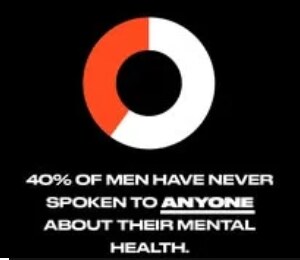
The Mental Health League Table was built to make one thing visible: which employers create space for men’s mental health, and which don’t. The scores get the headlines. The pattern behind them is more useful.
Three things the data keeps showing
Men spend more waking hours at work than anywhere else. Where a workplace makes it normal to talk, men reach support earlier. Where it doesn’t, pressure builds in silence and shows up as sickness, turnover or worse.
Policies on paper make little difference on their own. What moves the score is whether managers are trained, whether routes to support are visible, and whether anyone senior talks about it.
The gap between the top and bottom of the table is not budget. Some of the best-scoring organisations are small. It is whether men’s mental health is treated as a culture question or a HR one.
What we do with it
The table is the starting point for the HUMEN Space Workplace Programme. If your organisation wants to understand its own score, or move it, talk to us.